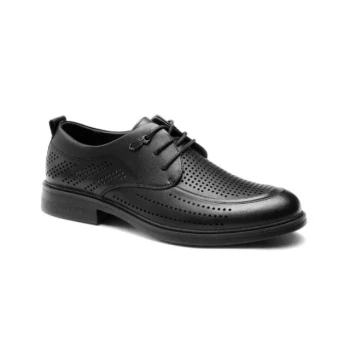
Adjustable adaptive shoes serve as a fundamental tool for managing foot edema by dynamically accommodating the significant fluctuations in foot volume that occur throughout the day. These shoes utilize specialized design features, such as large entry openings and flexible fastening systems, to provide essential structural support without restricting blood circulation or causing dangerous pressure points.
Edema requires footwear that can adapt to changing foot sizes rather than forcing the foot to conform to a rigid shape. Adaptive shoes bridge this gap by offering non-constrictive support that prevents skin damage and facilitates the use of compression therapy.
The Mechanics of Accommodation
Managing Volume Fluctuations
Edema is rarely static; foot size often increases as the day progresses. Adaptive shoes feature flexible fastening structures specifically designed to handle these shifts.
This adjustability ensures the shoe remains functional and comfortable, regardless of whether swelling is at its peak or trough.
The Role of Large Entry Openings
Standard footwear can be nearly impossible to put on when feet are swollen. Adaptive shoes utilize large entry openings to solve this mechanical barrier.
This allows the wearer to place the foot into the shoe without force, reducing strain on the foot and frustration for the user.
Clinical Benefits and Protection
Preserving Circulation
A critical function of these shoes is their non-constrictive closure system. Traditional laces or rigid uppers can act like tourniquets on swollen tissue.
By securing the foot without strangulation, adaptive shoes ensure that blood circulation remains unimpeded, which is vital for tissue health.
Preventing Skin Breakdown
Tight or ill-fitting shoes are a leading cause of ulcers and skin tears in edema patients. The adjustable nature of this footwear helps alleviate pain and eliminates friction points.
This protection is essential for preventing skin breakdown, a common and dangerous complication of chronic swelling.
Integration with Treatment Plans
Facilitating Compression Therapy
Effective edema management often involves wearing bulky compression socks. Adaptive shoes are designed to work in conjunction with compression garments.
The adjustable interior volume allows the shoe to fit comfortably over these socks, ensuring patients do not have to choose between footwear and their prescribed therapy.
Key Considerations and Trade-offs
The Risk of Improper Adjustment
While flexibility is a benefit, it introduces the risk of user error. If the flexible fastenings are left too loose, the shoe may lack necessary structural support, potentially leading to instability or falls.
Treating Symptoms vs. Causes
It is important to recognize that adaptive shoes manage the symptoms of edema, not the underlying condition. They protect the foot and improve mobility, but they do not reduce fluid retention itself.
Making the Right Choice for Your Goal
To maximize the benefits of adaptive footwear, select features that align with your specific daily challenges:
- If your primary focus is Severe Daily Fluctuations: Prioritize shoes with maximum adjustability in the fastening structures to adapt to significant size changes from morning to night.
- If your primary focus is Skin Protection: Look for shoes with wide entry openings and soft interiors to prevent friction and accommodate compression socks without struggle.
- If your primary focus is Mobility: Ensure the non-constrictive closures still provide adequate heel and arch support to maintain stability while walking.
By matching the footwear's mechanical features to your specific swelling patterns, you transform a simple accessory into a vital component of your health management strategy.
Summary Table:
| Feature | Role in Edema Management | Key Clinical Benefit |
|---|---|---|
| Flexible Fastenings | Adjusts to daily volume shifts | Preserves circulation & prevents pressure |
| Large Entry Openings | Allows easy, force-free donning | Reduces physical strain & skin friction |
| Increased Volume | Accommodates compression garments | Enhances compliance with therapy plans |
| Non-constrictive Fit | Eliminates rigid pressure points | Prevents skin breakdown and ulcers |
| Structural Support | Maintains heel and arch stability | Improves mobility and prevents falls |
Partner with 3515 for High-Performance Adaptive Footwear Solutions
As a premier large-scale manufacturer serving global distributors and brand owners, 3515 delivers the production excellence required to address complex foot health challenges. While we are renowned for our flagship Safety Shoes series and rugged tactical boots, our comprehensive manufacturing capabilities extend to specialized adaptive footwear, sneakers, and formal shoes designed for diverse bulk requirements.
We provide our partners with:
- Advanced Customization: Tailored adjustable designs to meet the needs of patients with chronic edema.
- Scalable Production: Robust supply chain capacity for safety, outdoor, and medical-grade footwear.
- Uncompromising Quality: Reliable construction that balances flexible comfort with necessary structural support.
Enhance your product portfolio with footwear that combines protection with physiological adaptability. Contact us today to discuss your bulk manufacturing needs and see how our expertise can add value to your brand.
関連製品
- カスタムブランドの卸売耐久性と通気性のトレーニングシューズ

- 卸売用プレミアムKPUアスレチック安全靴
- カスタムOEMトレーニングシューズ卸売メーカー耐久性と通気性
- ダイヤルレースシステムと卸売コンフォートレザービジネスシューズ
- 卸売プライベートレーベル&大量注文のためのダイヤルクロージャー付きモダンなコンフォートシューズ
よくある質問
- How do specialized footwear categories function as social signals? Master Personal Branding via Strategic Footwear Choices
- How do vision-sensor systems measure training shoe coordination? Analyze Reaction & Dynamic Stability
- What role does specialized functional footwear play in robotic-assisted ankle rehabilitation training? Ensuring Precision & Safety in Recovery
- What critical role do professional-grade training shoes and running shoes play in the urban marathon economic chain? Unlocking Sustained Economic Growth
- What is the necessity of foot-switches installed in the soles of training shoes for precise gait cycle quantification?